Career Exploration Interviews PowerPoint done for Gateway to Professional Communication.
This video was part of a project in which I interviewed people to learn more about a career path I want to take. This project really helped me learn how to interview people over the phone and schedule them. The interviews taught me quite a bit about publishing books and what it takes to become a published author. The presentation I gave used PowerPoint, and I learned how to set up a slide deck that wasn’t overly text-heavy and to present the information effectively.
Poem Written for Creative Writing: Poetry
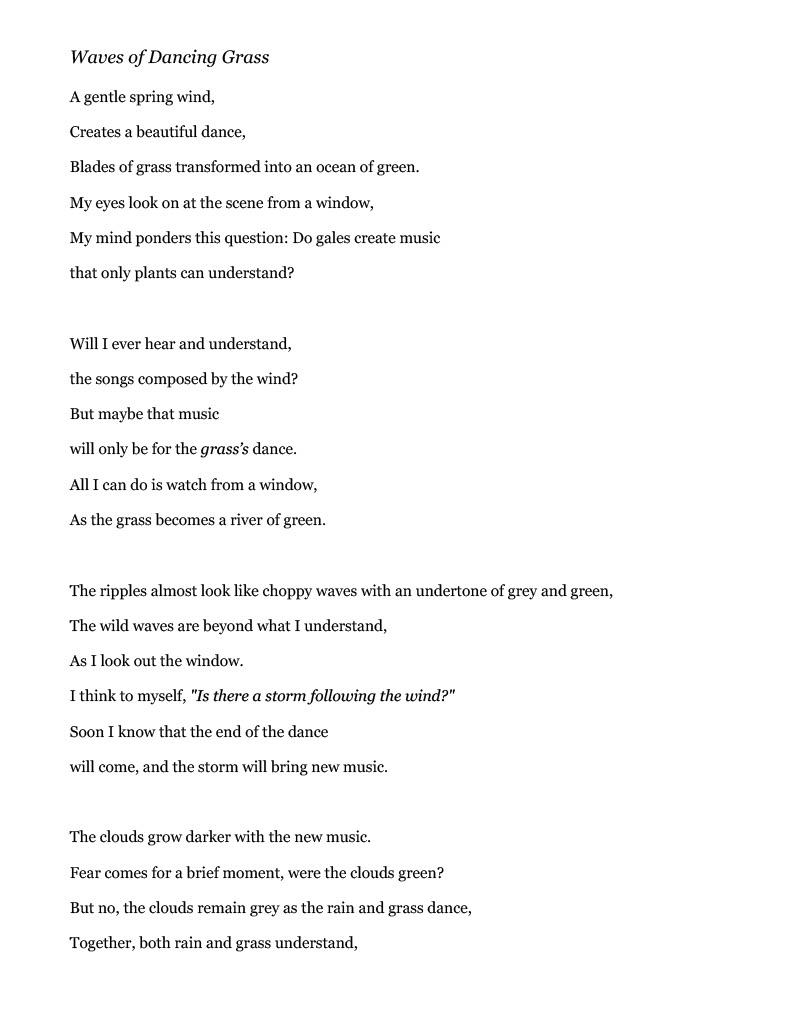
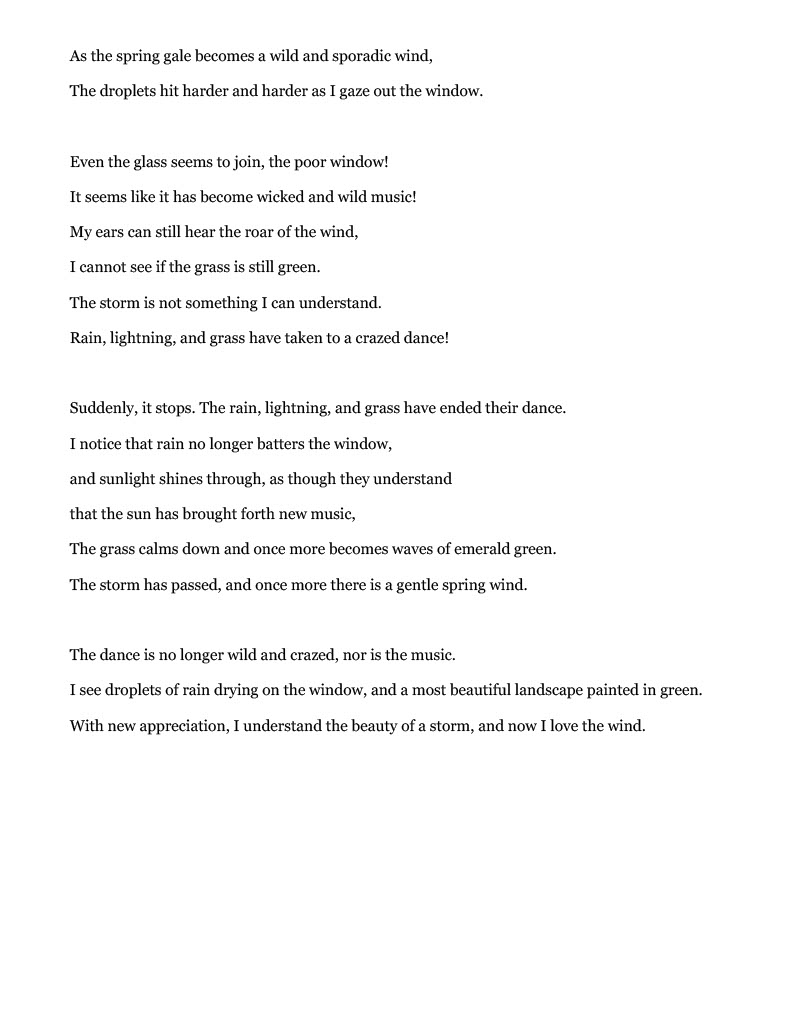
This poem was written for a creative writing class and shows my ability to write poetry. Before taking that class, I hadn’t written poetry for years, but the class helped me write poems again, find another way to use my creative writing, and learn that I can write poems and publish literature in the future. The class was a great exercise in learning how to workshop and take feedback on my work from others.
Brochure done for Principles of Design
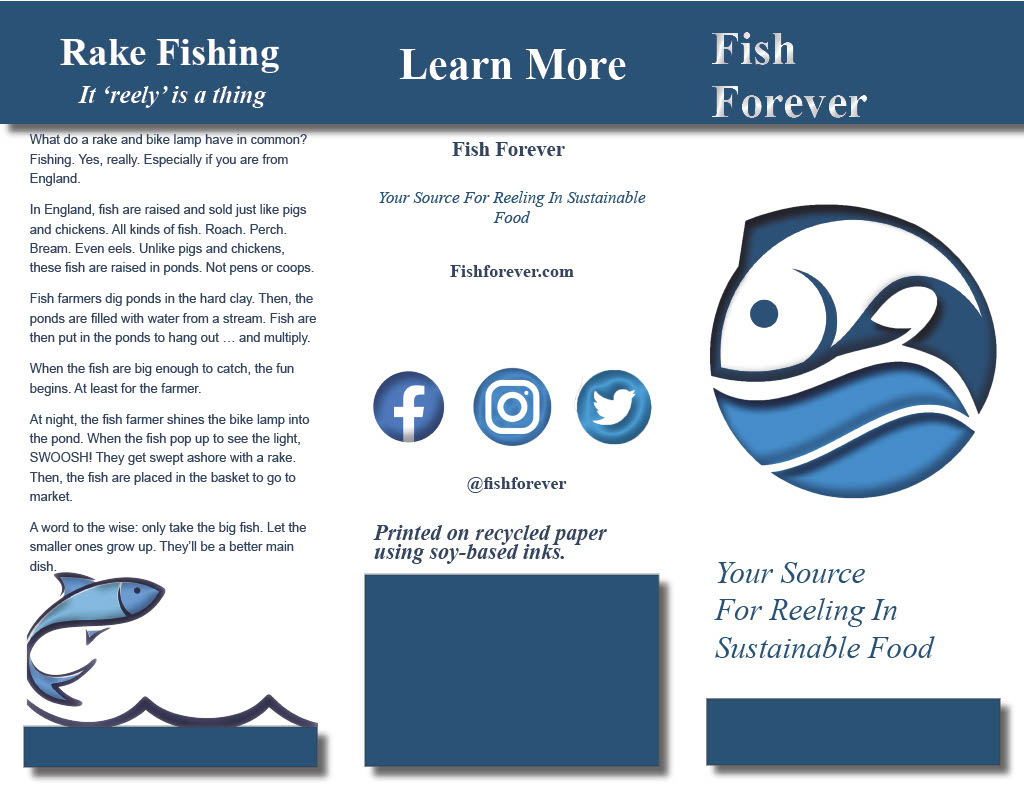
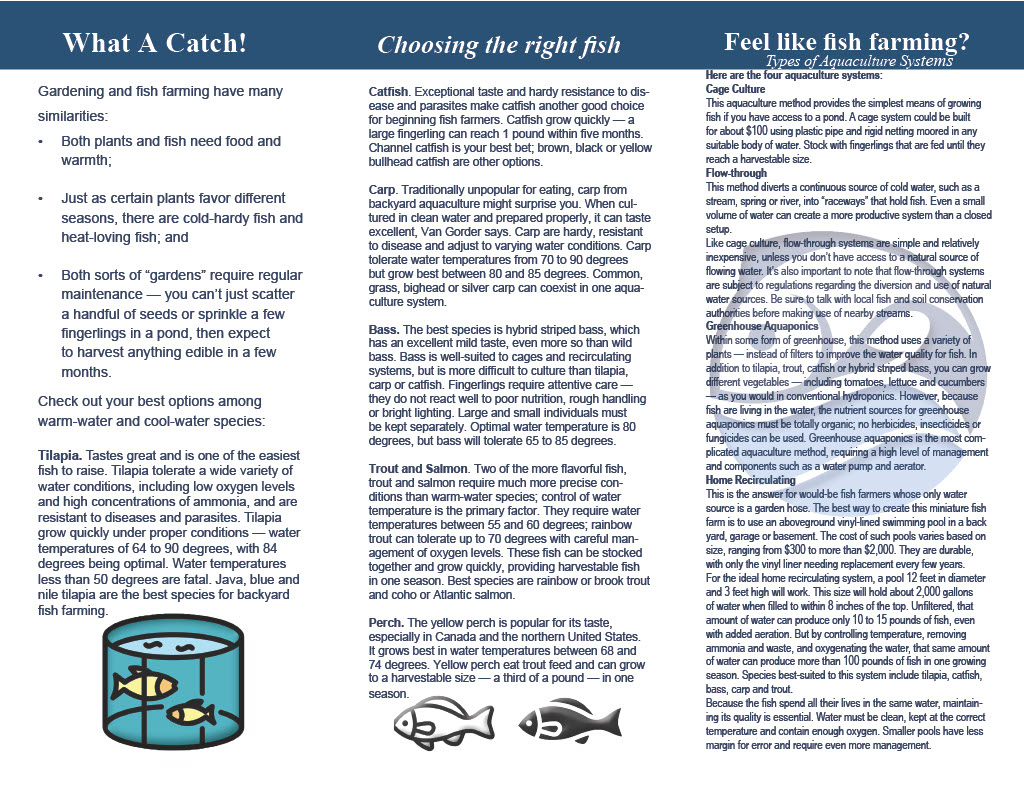
This was chosen because it had me use both InDesign and Photoshop. It helped to understand how to use both programs to a more basic degree. This was made when I first started to use InDesign for that class. I learned how to use graphics and white space, and to create a piece that uses design principles for content like a brochure. I also want to expand on how to use InDesign and Photoshop in the future, based on that class.
Blog Link and Example Post done for Digital Rhetoric, Discourse, and Culture
Neurodivergence, Media, and Interpretation
autism, neurodivergent, neurodiversity
While my first few posts have been about queer representation in both mainstream and non-mainstream media, this post focuses on neurodivergence and media.
What is neurodivergence/neurodiversity?
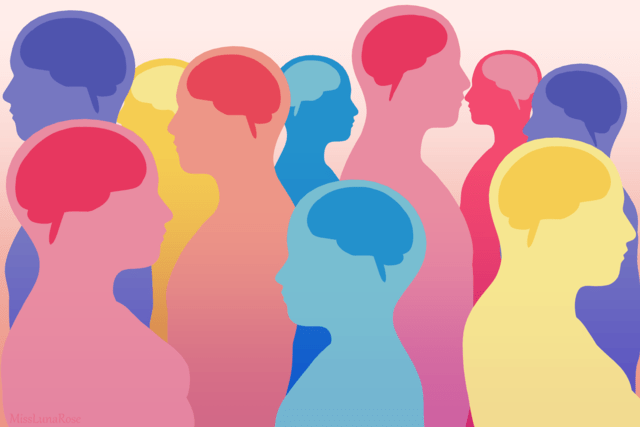
Neurodivergence refers to neurotypes that differ from typical or what is considered normal (neurotypical) neurotypes. Neurodivergence includes autism (ASD), ADHD, OCD, Tourette syndrome, and many other “disorders”. Neurodivergence, or neurodiversity, is a paradigm that goes against the idea that neurodivergent disorders are well disorders and holds that people who are neurodivergent are not inferior to neurotypical people, but represent the wide diversity of human neuro ability.
Here is a link to an article that explains the neurodivergent paradigm and gives a good model for understanding the paradigm:
https://doi.org/10.1111/soc4.13249
Interpretation and Media
On this blog, I have only discussed direct representation (representation that is straightforward or explicitly shown). In movies, books, YouTube videos, and television shows, I want to talk about how we can find representation in the media, even when there is none. We have the freedom to interpret media from multiple perspectives and readings. Take, for example, queer reading, a method of analyzing and interpreting media from a nonheteronormative, non-cisnormative, and amatonormative perspective. This allows us, as viewers, to see media from a perspective not always intended by the text or piece. In this post, I will discuss how we can interpret media from a neurodivergent/neurodiverse perspective.
Dungeon Meshi: Understanding the characters through a neurodivergent perspective

I will only be discussing season one of the show and will not discuss the manga, so just be clear if you’re interested in watching or reading Dungeon Meshi (also known by its English title Delicious in Dungeon). I prefer the Japanese title, so I will refer to it by that name. There will be some spoilers ahead. I will discuss two characters from the story who can be interpreted as having lived experiences similar to those of autistic people: Laios and Falin Touden. The two characters display traits that can be interpreted as autistic. For example, Laios has limited social skills, an obsession (special interest) with monsters, and a history of being ostracized. Falin herself also shares traits with Laios (her brother), but does display some masking. As someone who is autistic themselves, I found that while watching Dungeon Meshi, I felt represented by their struggles and backstories. Autistic people do face ostracization for who we are, and seeing characters face very similar ostracization that autistic people face felt refreshing to see.
These two videos are what inspired me to make this post, and I would recommend watching them as they provide an interesting perspective.
Closing Remarks
While neither of the characters I discussed is canonically autistic, I would argue that you can still interpret their traits and characterization as autistic even without having it be canon. There are many ways to interpret elements and characters in media, and to understand media beyond authorial intent. Never be afraid to interpret media in unconventional ways, because you find representation even in the strangest of places.
I chose this blog and post because it was the first time I learned how to use WordPress, understand the basics of design, and write for a blog. The class helped build writing and design skills and write shorter-form content. This post was chosen because it was one of the last ones I did for that class, and I felt it was one of my best-designed posts and a good representation of what I had learned. I am proud of this post and blog.
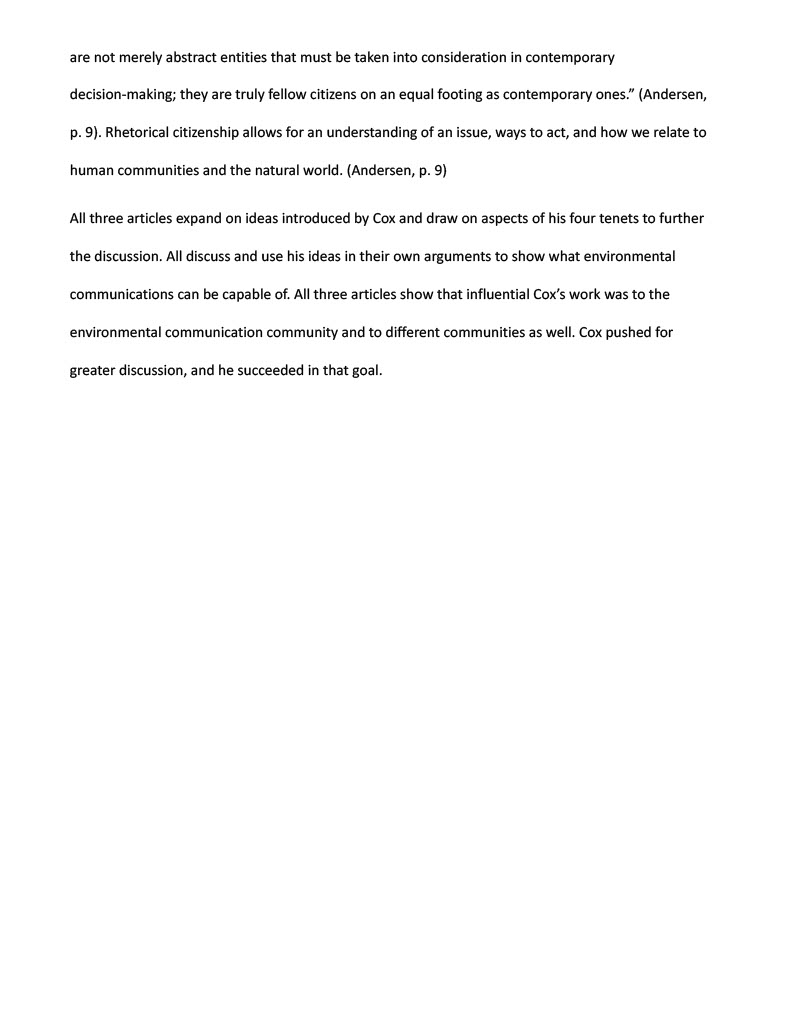
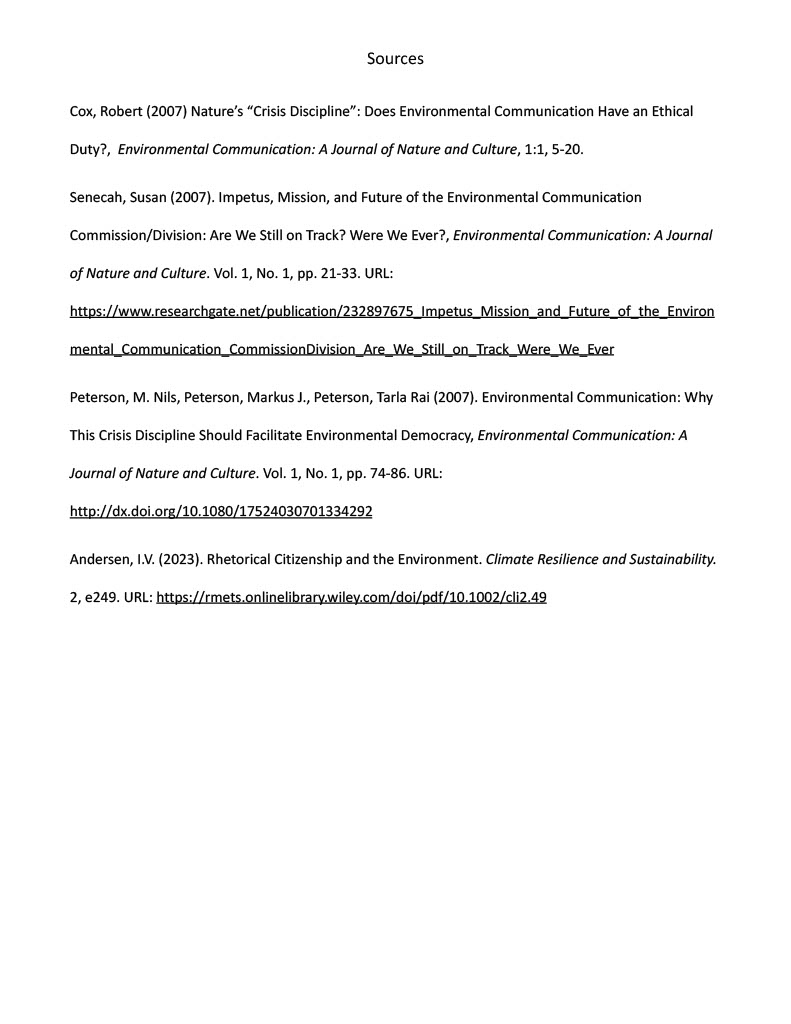
Essay done for Ethics in Human Communication
 My Professional Portfolio